Sumosan: Moscow’s Only Hibachi Experience
Stepping into Sumosan Hibachi Moscow, located in the Radisson Slavyanskaya Hotel & Business Center on Moscow’s bustling Square of Europe, you’re immediately aware of its reputation as a pioneer in Japanese cuisine within the city. Founded by the forward-thinking Alexander Mikhailovich Volkov, Sumosan is one of the first restaurants in Moscow to feature foreign chefs and to introduce Japanese dishes to a local audience hungry for new culinary experiences. Over the years, this small empire of…
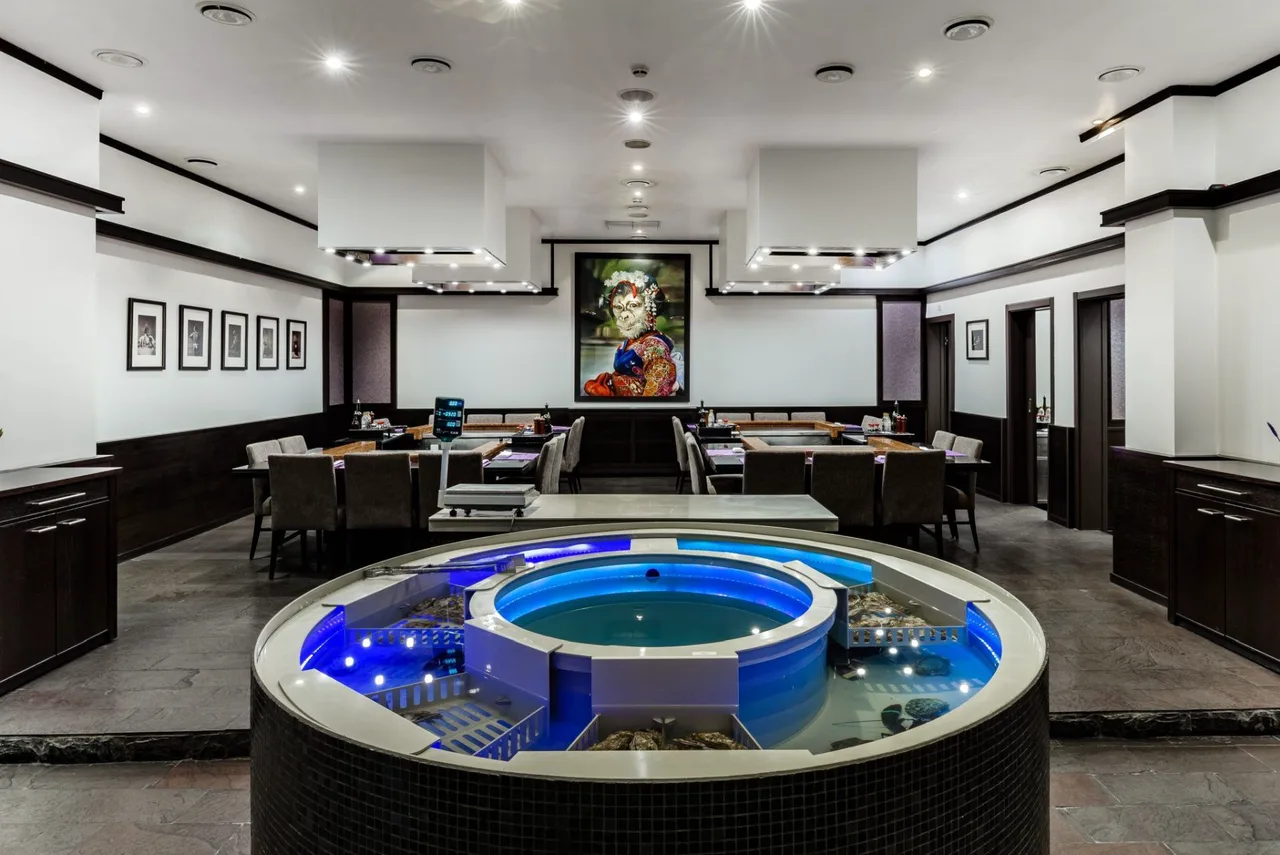
When you enter Sumosan from the lobby of the Radisson Slavyanskaya, the ambience reveals itself as comfortable, yet unmistakably corporate. The décor is predominantly sleek wood and neutral tones, with only subtle nods to Japanese aesthetics—think soft lighting, a few discreet bonsai trees near the entrance, and an understated sushi counter toward one side. It’s tidy and refined, but it doesn’t exactly wow you with flair. This subdued atmosphere suits the location, given that the restaurant is within a major hotel and business center, a hub for conferences and business travelers.
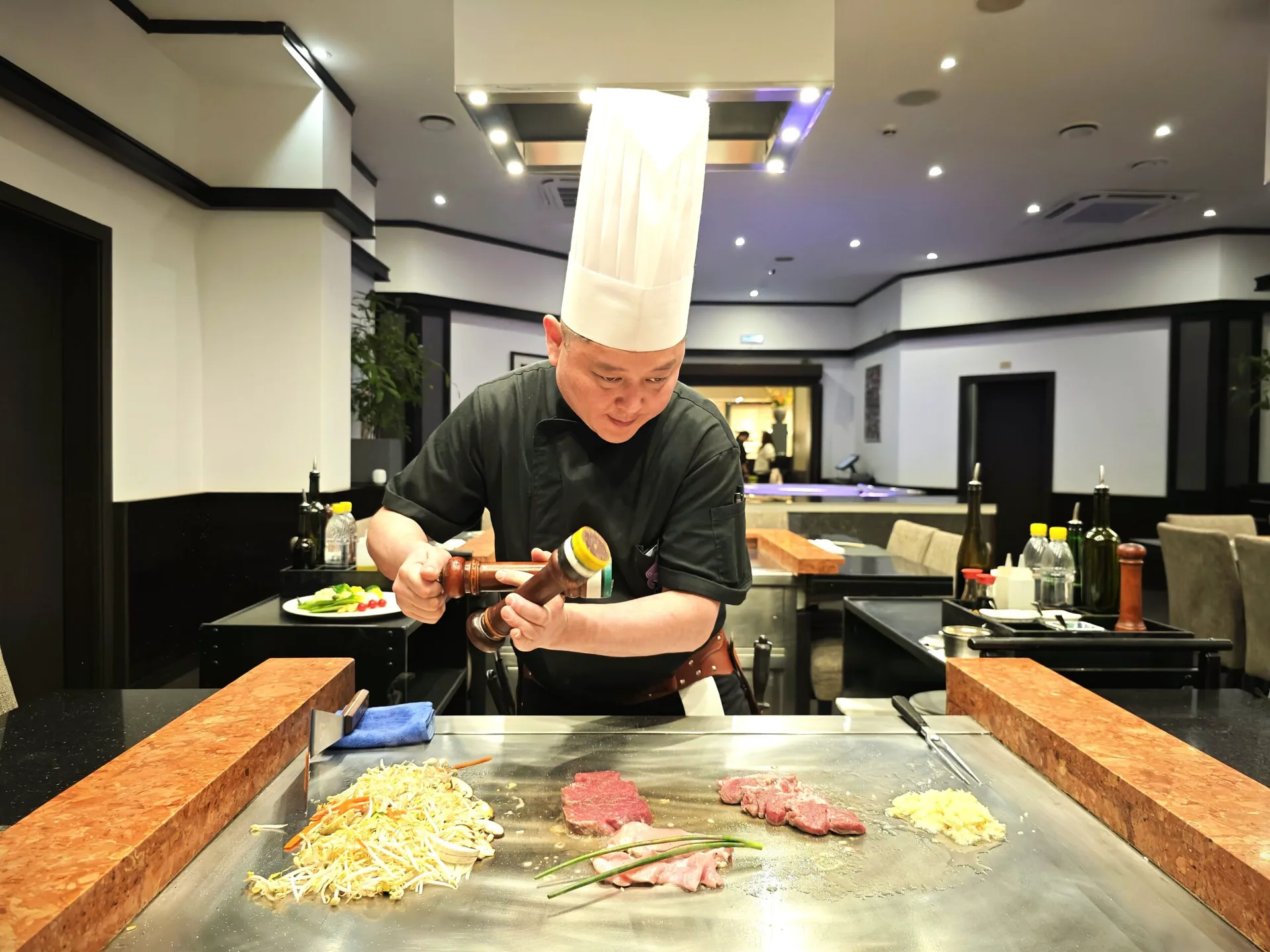
If you’re looking for the kind of showmanship that Benihana is famous for—hibachi chefs juggling spatulas and spinning eggs with a grand flourish—you might find the performance at Sumosan comparatively restrained. It’s still entertaining to watch the chef slice, dice, and flip ingredients over an iron grill right before your eyes, but the flamboyance is dialed down several notches.
The restaurant’s layout is neatly split. In the front are regular tables for those who prefer a more traditional dining setup, perfect for a quiet business lunch or a casual dinner with friends. As you walk further in, you’ll find the hibachi (teppanyaki) area, where guests can sit at communal tables facing the grill. This back section is designed for groups or individuals looking to enjoy a more interactive culinary show. If privacy is a concern or you’re planning a special celebration, Sumosan also offers private rooms that come equipped with their own hibachi stations. These private dining areas can accommodate small to medium-sized parties, offering a more exclusive and intimate experience.
From the moment we were seated, the service, while polite, felt a bit hit or miss. Our initial greeting was pleasant enough, with staff promptly taking our drink orders and handing us menus. However, during the meal, once the hibachi chef had finished cooking, it became challenging to grab a server’s attention for additional requests. At one point, we all sat with empty cocktail glasses for a solid 15 minutes before anyone came by to check on us. This is somewhat surprising for a restaurant that charges a premium price tag.
The hibachi chef himself was courteous and skillful in his technique, methodically preparing each course in front of us. But as mentioned, don’t expect theatrical antics or a comedic routine—he was more about efficiency and precision. Once he finished, he quietly left, leaving us to chase down someone else for any further needs.
Where Sumosan really stands out is in its extensive menu. True to the chain’s heritage, you’ll find an array of sushi, sashimi, and other Japanese specialties that go far beyond the standard offerings found at many teppanyaki restaurants. If you’re feeling adventurous or want something more luxurious, you can order Wagyu (or “Dagyu,” as it’s sometimes transliterated) beef, succulent octopus, or even exotic fish flown in fresh. This variety is impressive and certainly provides more options than you’d typically see at a standard hibachi grill in the United States.
To kick things off, you might be tempted to order classic Japanese starters like miso soup or edamame. We found the miso soup to be flavorful, albeit standard. If you’re after something more unique, consider the grilled octopus appetizer or a plate of assorted sashimi. Both are pricier options, but they hint at the more sophisticated side of the Sumosan menu.
We decided to sample several hibachi entrées to get a comprehensive feel for the place:
All of these items arrived fresh off the grill, and it’s undeniably fun to watch the chef’s dexterous movements as he flips the ingredients around. While the performance is subdued, there is still a certain charm in seeing your meal prepared before your eyes.
Sumosan provides a few sauces to go along with your hibachi meal, one of which is a creamy white sauce reminiscent of the classic “yum yum” sauce served in many American teppanyaki spots. It’s decent—creamy with a mild tang—but I wouldn’t call it a showstopper. A ginger-based soy sauce is also provided, which pairs nicely with the meats. Overall, the sauces do the job, but they aren’t particularly noteworthy compared to the extraordinary flavor fusions you might find at high-end sushi bars.
We each had two cocktails, and while the drink menu is serviceable, it leans toward basic hotel bar standards rather than creative, Japanese-inspired concoctions. You’ll find classic mojitos, martinis, and a few sake-based drinks, I . They’re pleasant enough, though, and the bartenders seem to know what they’re doing—just don’t expect a mixology experience that pushes boundaries. And
One area where Sumosan excels is cleanliness. The open hibachi stations appear meticulously maintained, and the dining room itself is spotless. Tables are cleared promptly, and utensils are refreshed as needed. The entire restaurant gleams in a way that speaks well to their attention to hygiene, and it fits the Radisson’s polished, international standards.
Now comes the sticking point: value for money. Sumosan does deliver high-quality ingredients and offers an impressive variety, but the prices reflect the location and the exclusivity factor. For our group of three, the total bill came to around 15,000 rubles, including two cocktails each and the range of proteins we sampled. If you’re familiar with Moscow’s dining scene, you already know it’s filled with exceptional restaurants offering world-class cuisine at various price points. Unfortunately, Sumosan’s price tag doesn’t quite match the overall taste experience, especially when compared to other high-end spots in the city.
That said, if you’re specifically craving a hibachi-style experience—complete with the communal grill and the interactive cooking show—Sumosan is virtually the only game in town. This exclusivity could justify the cost if you’re aiming to impress a date or show a visiting friend something novel in Moscow.
Despite some quibbles about service and the understated showmanship, Sumosan’s teppanyaki is a unique find in Moscow’s dining landscape. The restaurant’s history as one of the pioneers of Japanese cuisine in Russia lends it an air of prestige, and its menu diversity is commendable. The food quality is good, if not unforgettable, and the interiors are spotless, albeit somewhat corporate in feel.
For those reasons, I would rate Sumosan a solid 4 stars. You are paying for the exclusive hibachi experience, the convenience of its location in a major hotel, and the diverse menu options, rather than purely for outstanding culinary brilliance or service. If money is no object and you’re keen on the novelty of teppanyaki in Moscow, go for it. However, if your primary concern is impeccable taste and unforgettable flavors, you’ll likely find more inspiring (and potentially more affordable) restaurants elsewhere in the city.
Final Verdict: Sumosan is worth visiting if you want to scratch that hibachi itch or entertain business guests in a polished, slightly formal environment. But for the die-hard foodies seeking the best of Moscow’s culinary scene, consider saving your rubles for one of the many top-tier establishments that offer both exceptional taste and more dynamic atmospheres.
最初发表于 eatreview.ru,2025年3月。 阅读原文
 关于这家餐厅Sumosan查看完整资料 →