 55 m
55 mAbout
A restaurant serving authentic cuisine from northern Italy, created by chefs Emanuele Pollini and Matteo Lai.
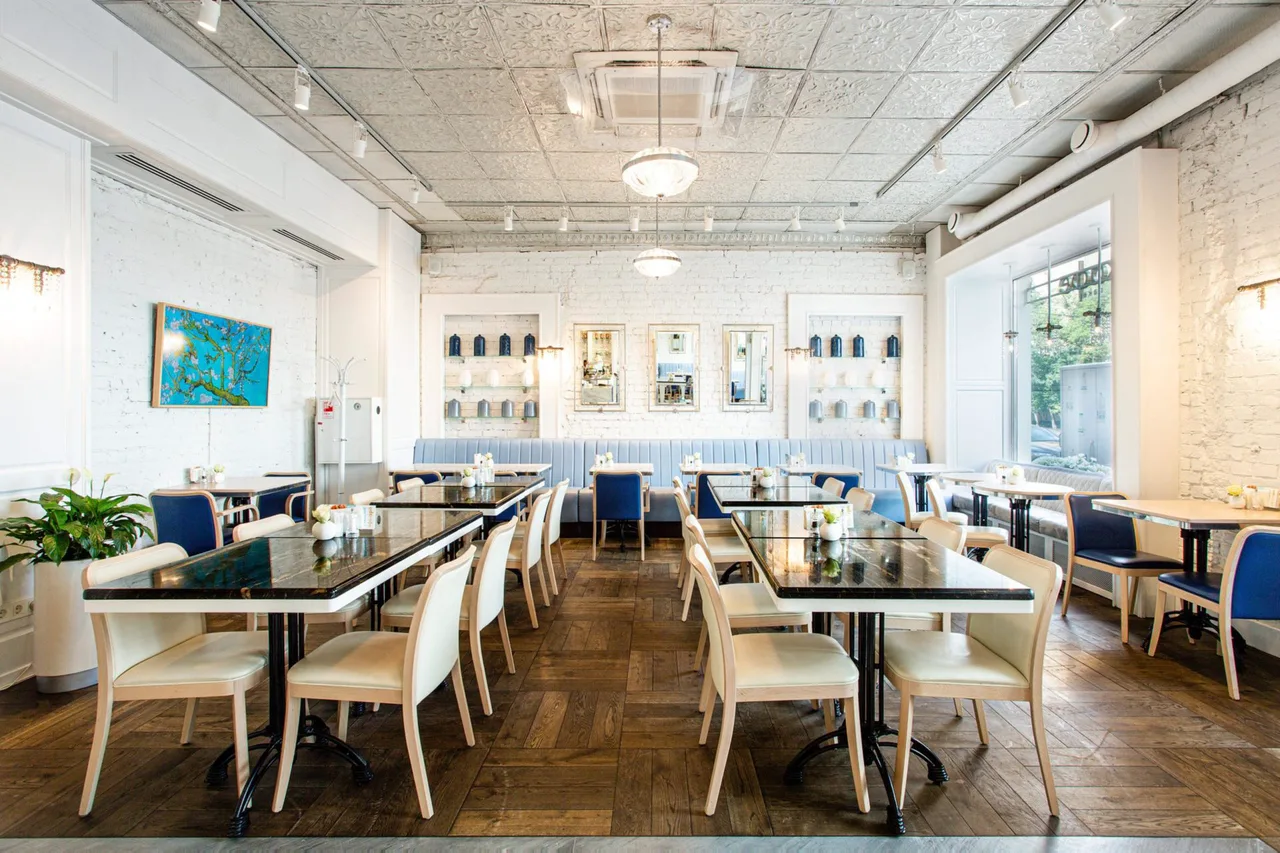
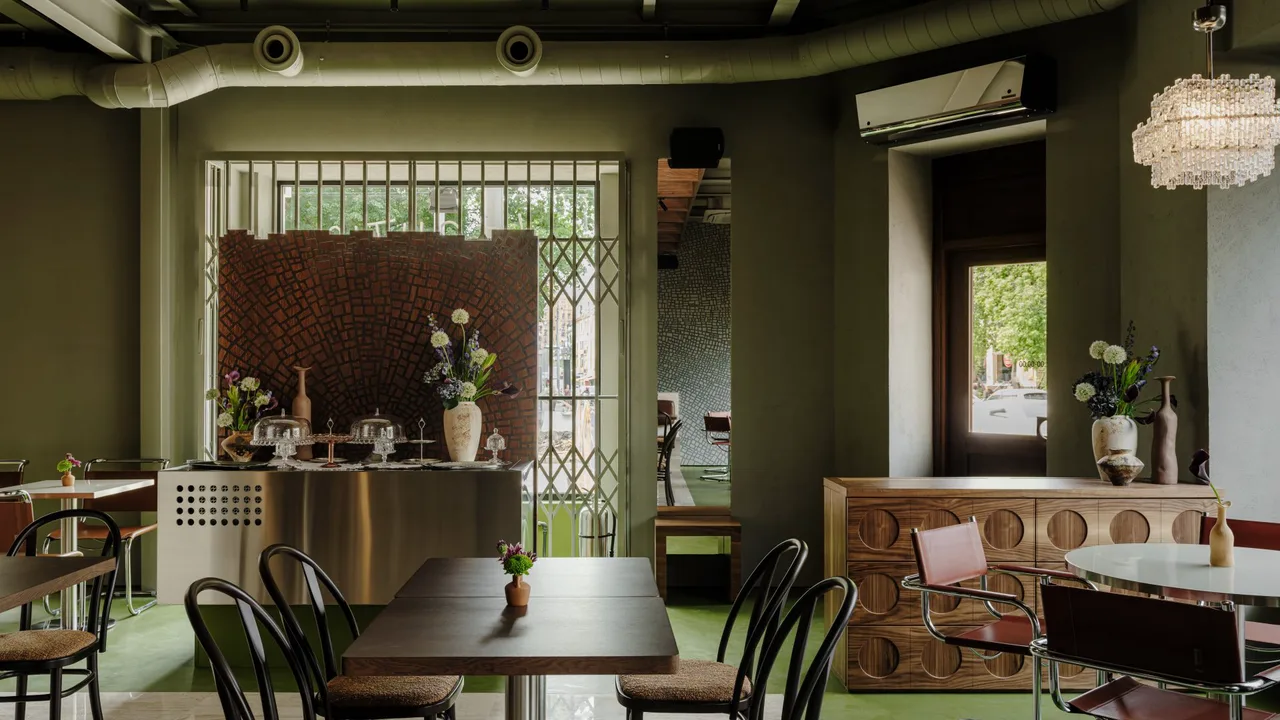
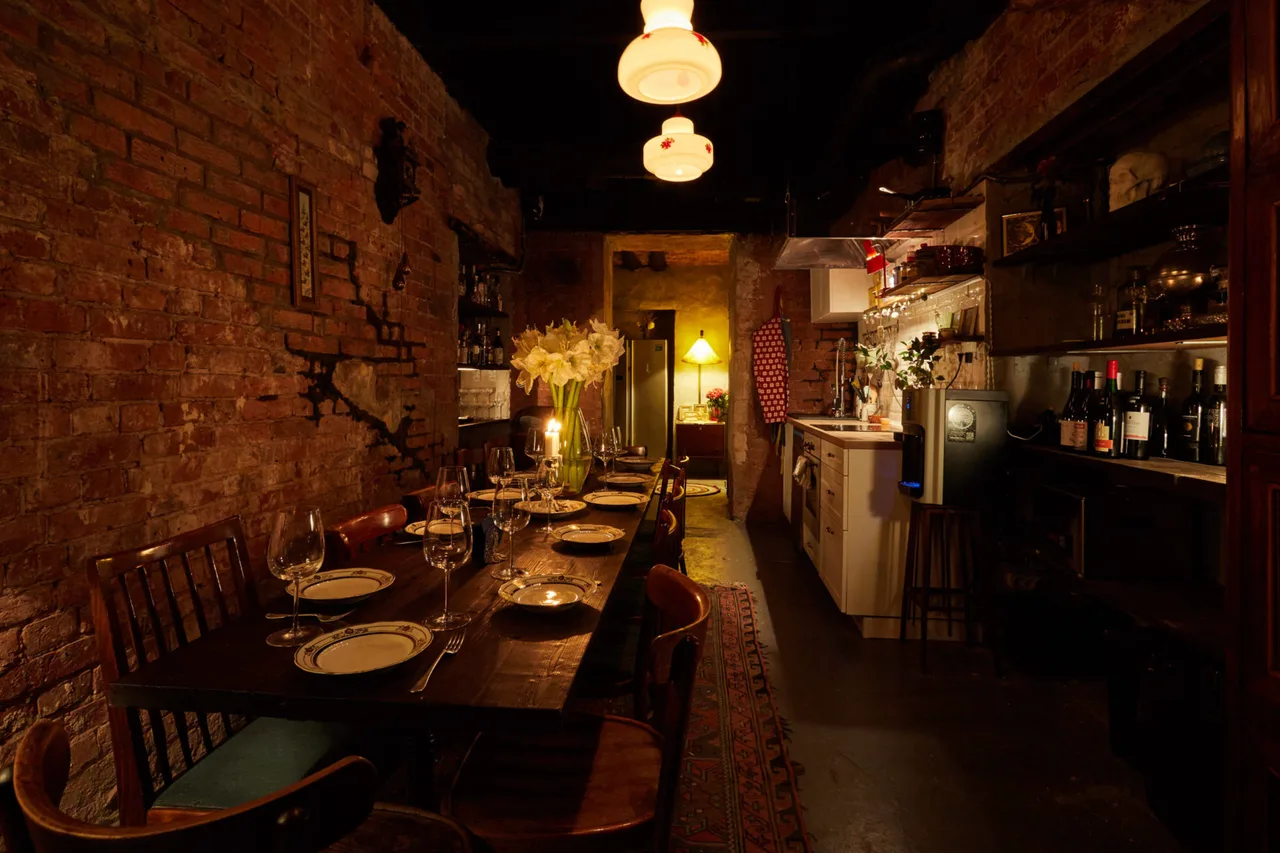
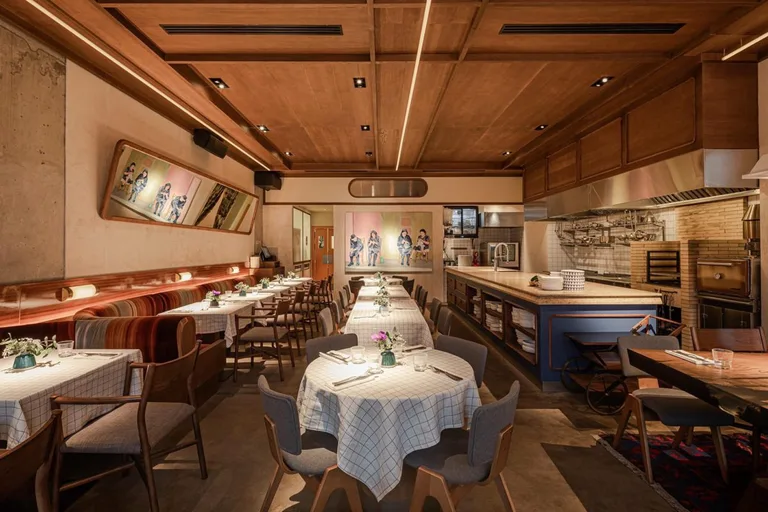
Emilia-Romagna is a region of Italy rich in the finest ingredients, a passion for food, art, and life. This shared heritage and memories of family gatherings brought the two chefs together in one kitchen. "Osso," translated from Italian, means "bone." It's the first thing you see and the last thing you remember. The name reflects the essence of the project: a cuisine that returns to its roots and uses authentic ingredients, valuing its own origins," says Emanuele Pollini. The menu focuses on the simple yet distinctive flavors of northern Italy, which resonates deeply with Emanuele. Dishes include *passatelli* in a rich chicken broth, reminiscent of Sunday dinners in Romagna homes, grilled beef with mushrooms, evoking autumn evenings on the hills, and tiramisu, topped with the thinnest layer of sugar "porcelain." Bones also feature in many dishes – *ossobuco*, baked bone marrow on toast, and beef ribs. This is a conscious choice, emphasizing the desire to remain true to the ingredient in its most honest form. The bar menu, curated by Konstantin Didenko and Maxim Gorelik, is a guide to Italy, showcasing its landmarks, spirit, and traditions. "Bosco Verticale," with its *martini ambrato* and green apple liqueur, alludes to the flowering skyscrapers of Porta Nuova. "Madre," made with dry sherry, vodka, and pine nuts, references the Museum of Modern Art in Naples. And the refreshing and fruity "Gaiola" is named after the underwater park in Campania. The wine list primarily features Italian wines from regions like Piedmont, Tuscany, Sicily, and Etna. Sommelier Alexander Guryanov and brand sommelier Dmitry Kipelkin expertly pair dishes with wines from both the New World – South Africa and Chile – and with prestigious Champagne labels. The interior design is by the NB-Studio architectural firm, led by Natalia Belonogova. The design is inspired by the aesthetics of northern Italy: the modernism of the 1960s and the mid-century modern style, reinterpreted for the present day. "The 1960s in Milan were characterized by bold, vibrant, yet warm colors: dark amber, brick red, wine, and beige-olive. Graphics and geometry are essential elements, and we've incorporated this with large-patterned tiles. The lighting in the project is designed to create a cinematic and dramatic effect, with layered lighting and minimalist FLOS fixtures creating an intimate atmosphere," says Natalia Belonogova. One wall features an abstract mixed-media work by artist Petr Kiryush titled "The Portal Closes." The restaurant has 73 seats.
Gallery
Current brigade
No brigade recorded yet.
DINER REVIEWS
Reviews
No reviews yet. Be the first to share your experience.
Nearby